Not So Sweet Memories
19th October 2026
She had a very normal, active life before 01/12/24, and so did we.
But everything changed that day.
I clearly remember it was a Sunday; we had our usual omelette-bread
Sunday breakfast. The moment she finished it, she vomited it out.
She complained of feeling uneasy and rested till late noon. When she
woke up at 5.30 pm, she was not her usual self. The way she looked
at things, her gaze, was different. Upon asking, she agreed to a cup
of coffee. Then she started talking about her childhood and her
gestures were as if she was an 8-9 year old girl. We did not
understand at first. We waited till the next morning; it was Monday.
We did not let her go to work; yes, she was actively working for a
manufacturing plant in the government sector.
Early Warning Signs of a Brain Stroke
We took her to the
hospital. The moment we were walking into the lobby, I noticed she
wasn't walking straight. Her feet leaned more toward the right side
of her body. I tried to lend her a helping hand, but she refused. I
still remained calm because we were about to reach the doctor's
cabin.
After the primary check-up, we were advised to meet a neurologist.
The moment the neurologist saw her, he recommended an MRI and CT
scan, which meant we had to admit her to hospital; we were not
prepared for that. Our 10-year-old was about to reach home from his
school. So I rushed home. I went back at 4.30 pm with a few basic
things that she might require during her stay at the hospital and
some food for my husband. I saw him sitting helpless in front of the
MRI scan section. He was very calm. I sat next to him and asked,
"What happened?"
"Mom has had a brain stroke. There are 5 blood clots in her brain.
She may lose her senses, memory, and estimate of time, space, and
speed." And I went numb. While my husband took her to her room in
the hospital in a wheelchair, her neck leaning on her right
shoulder, I entered the doctor's cabin to confirm what my husband
had just said, because it was unbelievable and unexpected. The
doctor marked a seal of confirmation. And all I could ask was, "How?
And why?"
He said, "I can only say that her sugar spikes have been uneven.
Seems she hasn't taken proper care of her diabetes and did not
consult the right person for help." "But she has been taking all her
medicines regularly, doctor. She has her blood sample tested
regularly at her workplace. She is a very active and strong-willed
woman." The doctor understood I was trying to control my tears. And
he did his best to console me, but he needed to draw a boundary as
well. So he left to see other patients.
The Unspoken Link Between Diabetes Fluctuations and Stroke Risk
And from that day, I lost a very good friend, gossip partner,
evening coffee and bhutta companion, shopping buddy, all in one. She
is my mother in law, but to me she has been more than that. It's
been two years since I am a caretaker to her. She refuses to have a
professional caretaker. I still remember when her primary checkup
was going on; the doctor pointed to me and asked her, "What is your
relationship with her?" Just to check her memory, she replied, "She
is my daughter." I stepped outside the cabin and cried because I had
already sensed something terrible was coming our way.
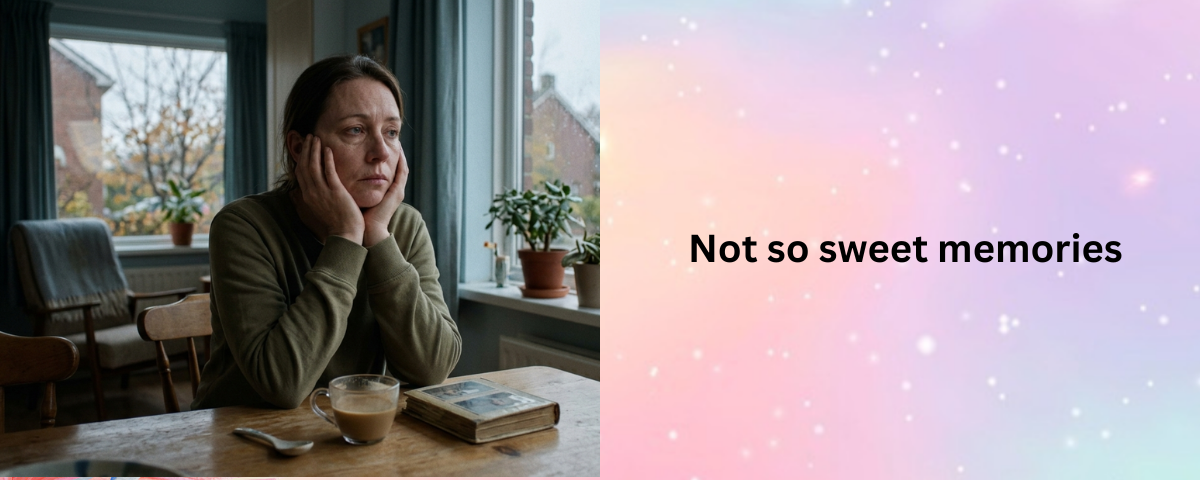
I know I am repeating my words, but I have always seen my
mother-in-law as a strong and independent woman. The day she tested
positive for diabetes, she informed us calmly, mentioning that the
doctor had prescribed her medicines, and she would take them on
time, which she did. While we are struggling to know the reason
behind her stroke, she is struggling to remember things and execute
basic daily tasks in her capacity. There are times when she fights
with my son like a sibling; she feels less valued and unimportant.
There is an identity crisis we constantly see in her eyes,
remembering things, remembering her past. Due to the fear that she
doesn’t remember anything, she speaks less, because she doesn’t want
to make a fool of herself. She fears speaking about anything wrong
and then being judges about it, and hence, she doesn't speak at all.
We can sense it, and all we can do is wait for her to express it,
but she doesn't.
Life as a Family Caregiver: Balancing Love, Routine, and Responsibility
One Sunday, I was out for an open mic event, and it got late. When I
called my husband at 10.30 pm to inform him I was leaving, he told
me she did not take her insulin from him, and hence her dinner was
also pending. She only wanted me to give her the insulin shot. I
felt so guilty because, for people living with diabetes, the
key is to have their insulin shots and meals on time.
From that day, I avoid going to events if the timings are around her
insulin shot times.
Her retirement party, which was in August 2026, was quiet and
homely. One of her colleagues Mr. Dilip (or should I say
ex-colleague), enquired about what exactly happened to her. When I
narrated the whole incident to him, he told me about
FreeStyle Libre
CGM system. It is a painless way to see your glucose levels without
finger pricks. As in her case, keeping track of her sugar levels is
crucial and recommended. Also, the conventional method of pricking
used to leave her irritated. But Mr. Dilip also advised me to
consult her doctor before starting to use it.
Continuous Glucose Monitoring (CGM):
Who would have thought uneven sugar spikes could rewrite an entire
family’s story overnight? It’s a harsh reminder of how fragile
health can be, even for those we think are invincible.
Our home isn't as loud as it used to be, and our days are now
anchored around medicine schedules and silent understanding. But
every time she looks at me, I choose to remember not just what was
taken from us, but the love that remains. Caregiving wasn't the
plan, but holding her hand through this quiet chapter is my way of
giving back the grace she always gave me.
Disclaimer: This article has been written as part of an awareness
initiative by Blogchatter and reflects the author’s personal views.
It is for informational purposes only. It does not constitute
medical advice, diagnosis, or treatment recommendations. Please
consult your doctor for advice specific to your individual health
needs.
Frequently Asked Questions (FAQs)
1. What is the blog post Not So Sweet Memories about?
The post shares a personal story about the author's mother-in-law, who suffered a brain stroke and experienced memory loss and difficulties with daily activities.
2. What happened to the author's mother-in-law?
She suffered a brain stroke, with five blood clots detected in her brain. Following the stroke, she experienced memory loss and difficulties performing everyday tasks.
3. What role did diabetes play in the story?
The doctor suggested that uneven blood sugar levels and inadequate diabetes management may have contributed to her health complications.
4. What challenges does the author face as a caregiver?
The author manages her mother-in-law's daily care, medication and insulin schedules while helping her cope with memory loss and emotional challenges.
5. How can continuous glucose monitoring help people living with diabetes?
Continuous glucose monitoring (CGM) helps track glucose levels throughout the day without repeated finger pricks. It can help people and their caregivers monitor glucose patterns in consultation with their doctor.
Comments